If you’re serious about deer season, getting your rifle ready isn’t optional - it’s part of the ritual. You wouldn’t roll into deer camp without checking your boots for leaks or your climber for loose bolts. Your rifle deserves the same attention. Confidence in the woods starts long before a buck steps into range. It starts at the bench, in the garage, and at the range. And as many of us have said, the next deer season begins the day after the previous one ends. That same philosophy you apply to scouting and habitat management should also apply to your deer rifle, too.
Give It a Once-Over (Like You Mean It)
Pull the rifle out of the safe and actually look at it. Check action screws, check scope base screws, and check scope ring screws. You see the theme here? Screws loosen. Especially after a year of bouncing around in a truck or safe.
Work the bolt/action. Make sure the safety functions properly. Look at the crown. If something feels “off,” it probably is. Deer season is not the time to discover your rifle developed a personality quirk.
Clean It - But Don’t Turn It Into a Science Project
A good cleaning is a must for every firearm you own. Photo courtesy of Outdoor Life.
Yes, clean your barrel. Get the carbon and copper out. Wipe down the bolt. Clean the chamber. But remember - most hunting rifles don’t shoot their best squeaky clean. After you scrub it down, fire a couple fouling shots before you start worrying about zero.
The goal isn’t a spotless rifle. The goal is a consistent rifle. Also read the section coming up about ammo choices. This is vital!
Confirm Your Zero. Then Confirm It Again.
I don’t care if it “was dead on last year.” Steel and glass don’t care about your memories. Get to the range. I have a rifle that is always on. I’m serious. I have yet to move the scope one click over the past few years when using the same ammo. How do I know that it is always on? I check it at the range – a lot.
If you hunt timber, a 100-yard zero makes sense. If you hunt big fields or cutovers, maybe 200 yards is your sweet spot. Whatever you choose, confirm it with the ammo you’re actually going to hunt with.
And don’t just shoot off a concrete bench. Shoot from a pack. Maybe shoot from sticks. Try shooting sitting down. Shoot off your side mirro... Uhhh, nevermind that last one. (I’m kidding people – it's a joke!)
The point is simple. Deer rarely cooperate with perfect benchrest conditions. Try to recreate actual in-the-field shooting conditions to make sure you are on target.
Pick Ammo Your Rifle Actually Likes
Try different ammo and see what shoots best through your rifle. You might be surprised to find some hidden accuracy you never knew was out there.
Every rifle is a little different. Try a couple quality deer loads and see what groups best. When you find one it loves, buy enough from the same lot to get through season.
I bought my wife a .243 for deer season. That rifle was a pain to get zeroed. It would be dead on for two shots and then start to wander as much as 10 inches at 100 yards. The secret sauce for it turned out to be a particular cartridge load that it liked, and the process was clean it, shoot it 5 times, and clean it again. Finally got it zeroed at 100 and then it worked best for one fouling shot. It found it’s way to the back of the safe as a back-up rifle and she now has a .308 Win that she likes much better.
I have rifles that like loads from Hornady. Others that are partial to loads from Federal. My Weatherby... well it likes its own ammo. The only way to really find out is to try several and see what works best.
Switching ammo after you zeroed is like changing broadheads the night before archery opener. Technically possible. Strategically questionable. I’m just going to go ahead and say it – it's dumb.
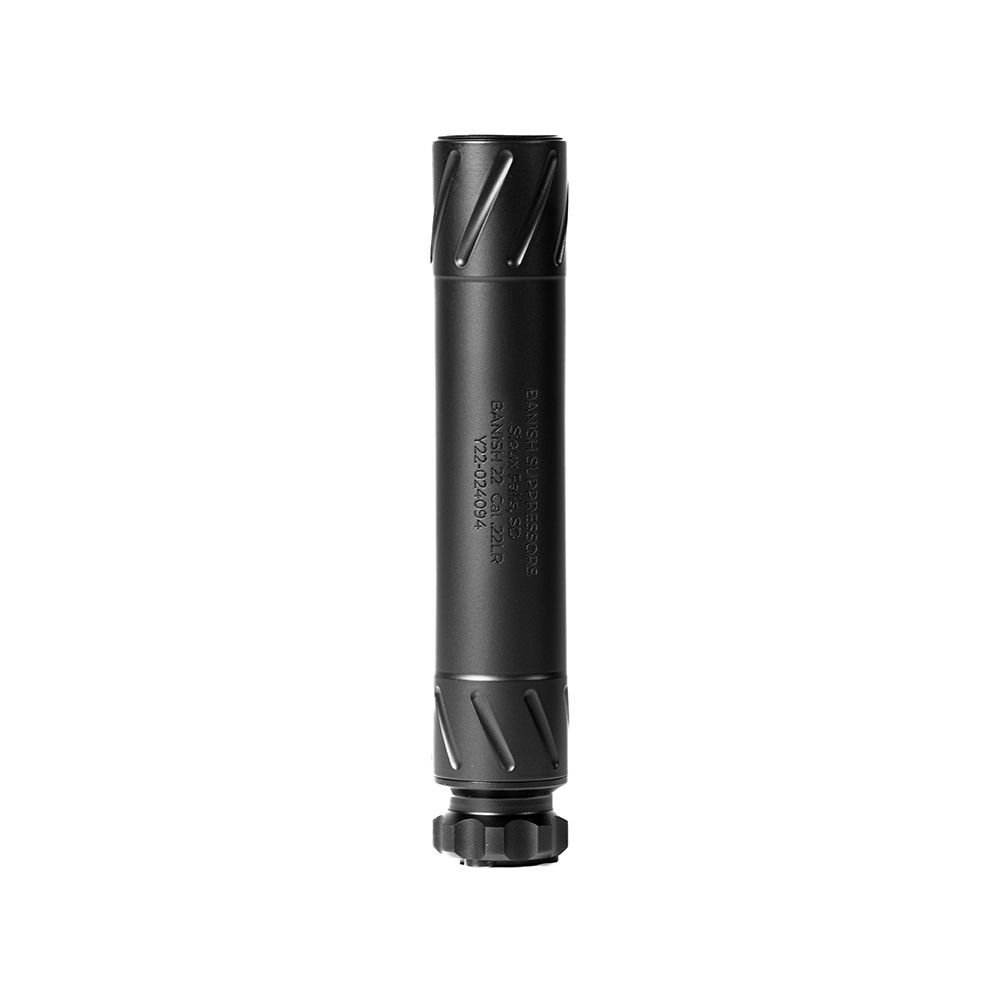
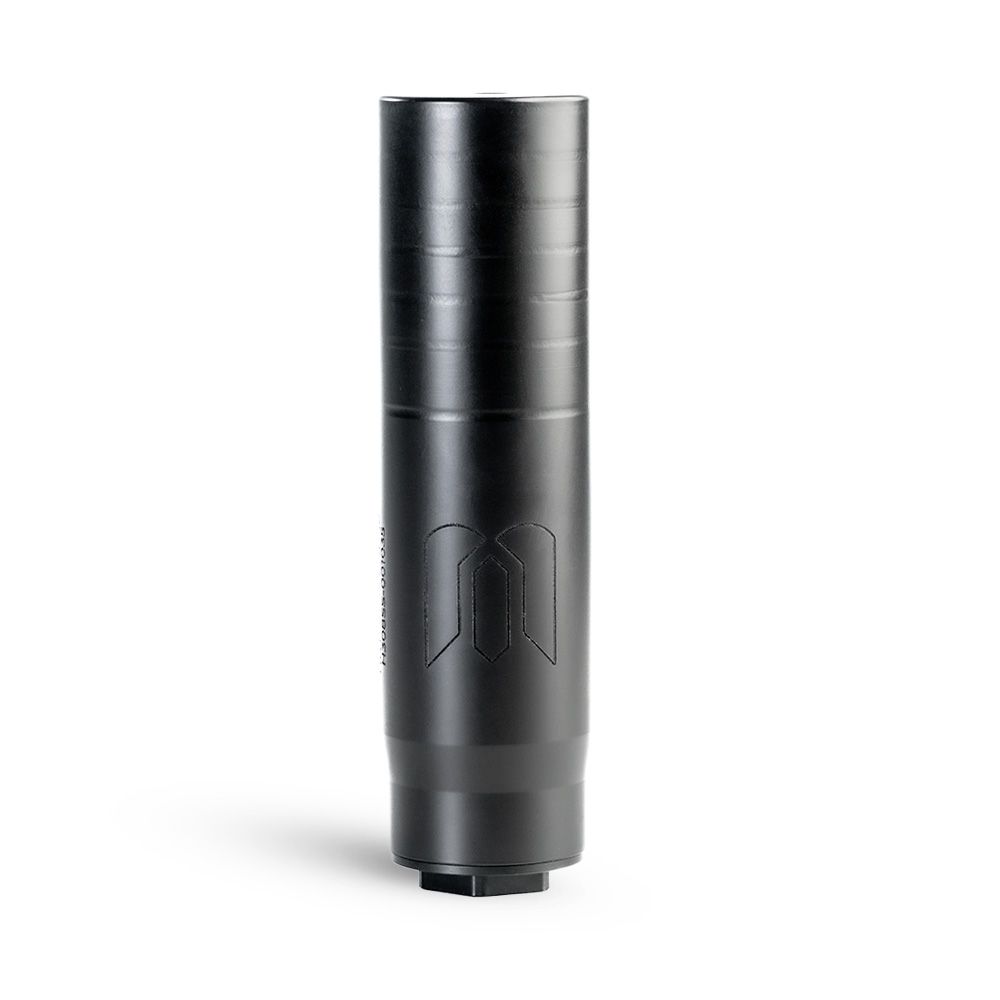
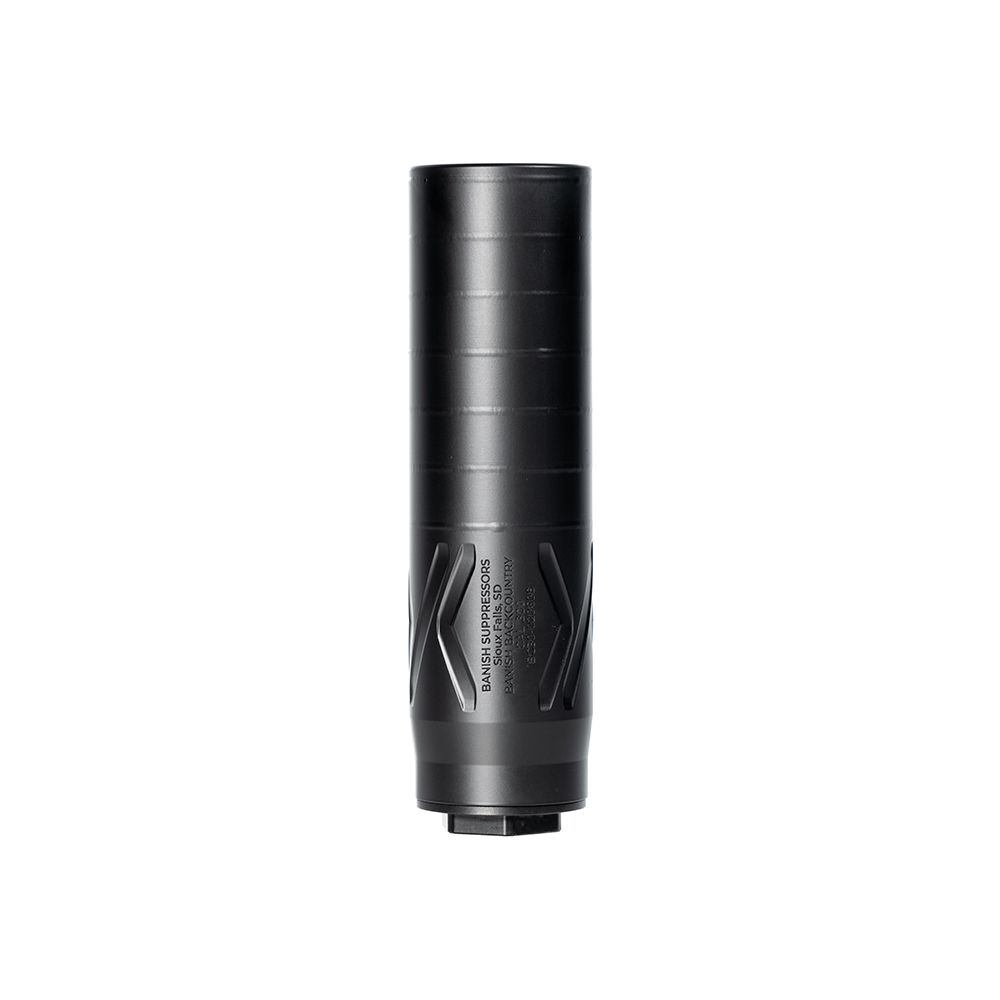
Shoot suppressed. It makes a big difference!
If you really want to upgrade your deer rifle setup, consider running a suppressor. A good hunting suppressor reduces recoil, cuts muzzle blast, and helps you stay on target through the shot. That means better follow-through and a better chance to spot your impact.
It also protects your hearing - especially in tight woods or box blinds where muzzle blast can rattle your teeth. And here’s a bonus: deer often don’t react as violently to a suppressed shot. I’ve seen it firsthand. Sometimes the rest of the herd just stands there wondering what happened.
Just remember, if you add a suppressor, re-zero your rifle. It can slightly shift point of impact. It’s usually consistent, but it’s there. Check out the link below to learn more about point of impact shift.
Imagine having this buck in front of you at 120 yards and you go for the shot only to find your rifle is froze up and won't work? Do the work and be ready!
Temperature changes things. Lubricants change. Metal contracts and expands. Before season, cycle your action.
If it’s cold outside. Use a light coat of appropriate lubricant. You want smooth operation when your fingers are numb and a buck is quartering away at 120 yards. Cold can affect metal in weird ways.
For the southern hunters, who have those crazy early seasons and extremely hot weather, the same goes for you. Heat can mess with your firearm, too. Plus the air is different. If it's really humid, that can alter your bullet's flight plan. Be ready for the conditions you will be in for your hunt, regardless of the temperature.
When opening day comes near...
Before you climb into that stand:
Confirm zero one last time
Check torque on screws
Pack the same ammo you zeroed with
Wipe lenses clean
Run the bolt a few times
A deer rifle isn’t complicated. But it is a system. When that system is dialed, you don’t think about it. You focus on wind, angles, and making a clean shot.
And when that buck finally steps out, the only surprise should be how calm you feel—because you already did the work.
READY FOR DEER SEASON TO GET HERE?
Now is the time to get ready for deer hunting season, and that includes getting a suppressor on your deer rifle. The simplest way to do it is to go to Silencer Central, find the one you want, fill out a few online forms, and buy it. Now you can self-certify, making the whole process faster and smoother. Your fingerprint card as well as a free t-shirt will ship to your home. You can track your progress through the online Customer Portal, too. It is that simple!
In 41 states, it is perfectly legal to deer hunt with a suppressor. You can check on whether or not it is legal in your state by clicking here.
One thing we hear often is, "It's only one shot, how important can a suppressor be?" It only takes one time shooting unsuppressed to do damage to your hearing. Plus, it makes it easier to get off a second shot if you need one, as the deer will often not be as aware of where the shot came from.
For most rifles, you can get your barrel threaded by sending it to us. We have expert gunsmiths and the latest technology to precisely thread your barrel and get it back to you in time for deer season.
Yes, a suppressor will reduce felt recoil. You can add a brake to some models, or buy one with a built-in brake, to even further reduce recoil.
While many suppressors can be used on several different caliber firearms, we have some specific models that can make your shooting more enjoyable. Pick the caliber that you have in mind. If you don’t see your caliber, pick one close to it to see our recommendations.