The correct answer to what gun has the most recoil will depend on the specific firearm type we are talking about. For instance, among pistols, the Desert Eagle is famous for its felt recoil, while among rifles, the Barrett M82A1 .50 caliber probably takes the cake. If you are talking about shotguns, 10-gauge shotguns generally deliver the most kick.
But what makes these guns have higher recoil than other firearms? Several factors, such as weapon weight and design, determine recoil, but a firearm's caliber affects recoil more than anything else. The higher the caliber, the more intense the felt recoil usually is. That’s because larger caliber rounds require more explosive force to launch from the muzzle and fly in a straight line.
The required explosive force comes from igniting the bullet propellant by pulling the trigger. The ignited propellant explodes, releasing gases that expand within the barrel to force out a round. As expanding gas explodes out of the muzzle behind a bullet, it pushes the firearm backward with equal force. The backward push is what you experience as felt recoil.
High Recoil Pistols
Large caliber pistols have more stopping power and destructive power because they shoot larger bullets. However, the design of some large caliber pistols minimizes felt recoil to improve shooting accuracy. For example, the Smith & Wesson Model 686 and Glock 20 are powerful, large-caliber handguns you can hunt with, but their felt recoil isn’t over the top.
What gun has the most recoil among pistols? If you want a handgun with enough recoil to leave your wrists singing, below are three popular culprits.
Desert Eagle
The Desert Eagle is one of the most powerful handguns ever made. It's a large, semiautomatic pistol with enough stopping power to take down deer and other medium-sized prey with a single shot. On the downside, the firearm’s recoil is intense. The high recoil is primarily due to the Desert Eagle’s powerful 50 American Express or .44 Magnum cartridge.
Smith & Wesson 500
The Smith & Wesson 500 is a beautiful revolver that packs a wallop. The handgun fires 50 caliber rounds (.500 S&W Magnum) that can take down big game, making it even more powerful than the Desert Eagle. The explosive force generated by the high-caliber round generates intense recoil.
Magnum Research BFR
The Magnum Research BFR is another large caliber revolver with intense kickback. Available calibers include .357 Magnum, .44 Magnum, .454 Casull, and .500 JRH. However, shooting .454 Casull or .500 JRH generates the most recoil, and each round is powerful enough to take down bears, elk, and similar-sized prey.
High Recoil Rifles
Rifles are the go-to firearm for competitive shooting and hunting because of their long-range, accuracy, and power. However, you won’t experience these benefits if you shoot a rifle with recoil beyond what you can handle.
What gun has the most recoil among rifles? Several high-recoil rifles exist. The three listed are some of the most notorious ones.
Barrett M82A1
The Barrett M82A1 is a .50 caliber rifle used primarily by military and law enforcement officers. Rounds fired by the rifle can retain 1,300 foot-pounds of energy after traveling 2,000 yards, and stray rounds can fly up to five miles. The significant explosive force required to launch a bullet that far and hard leads to intense recoil.
Weatherby Mark V
The Weatherby Mark V is a high-quality bolt-action rifle that you can pass down from generation to generation. The standard action variant of the rifle has an intense recoil, but the kickback cranks up when you shoot the magnum action variant. The magnum action Weatherby Mark V has a larger bore and supports heavy calibers like .338 Lapua Magnum, .378 WBY Magnum, and 460 WBY Magnum.
Mosin Nagant
Many have compared Mosin Nagrant’s recoil to receiving a mule kick in the shoulder. Several factors contribute to the rifle’s recoil, such as its lightness and high caliber 7.62x54mmR cartridge.
The rifle’s lightness means it can’t absorb recoil from fired rounds, leading to shooters experiencing most of the kickback. Lastly, the Mosin Nagant has a straight stock with no pre-installed recoil pad to soften the butt jamming into a shooter’s shoulder.
High Recoil Shotguns
10-gauge shotguns typically have more recoil than 12 and 16-gauge shotguns because 10-gauge shotguns fire larger and heavier shells. Below are three of the heaviest-hitting shotguns you can fire:
Mossberg 500
The Mossberg 500 shotgun is popular for its durability and reliability. However, it also has a heavy recoil that affects accuracy if you are not used to the firearm. The Mossberg 500’s recoil is more intense because the gun’s lightness causes most of the recoil to transfer to the shooter's shoulder. A heavier shotgun would absorb some of the recoil and reduce how much kickback reaches the shooter.
Remington 870
The Remington 870 is another popular shotgun that’s been around for decades. Like the Mossberg 500, the Remington 870 is a pump-action shotgun with heavy felt recoil. Heavier ammo loads generate more recoil, but you can minimize felt recoil by adding a recoil pad to a Remington 870’s butt.
Winchester Model 1887
The Winchester Model 1887 is old-school but still reliable. Unlike most popular shotguns, the Model 1887 has a lever action. While the lever action has benefits, its downsides include transmitting more of the recoil force to the shooter's shoulder. Also, earlier Model 1887 shotguns shot black powder cartridges that generated more felt recoil than modern smokeless powder cartridges.
Understanding Recoil
Felt recoil is the backward push or kickback from your firearm when you shoot. The kickback comes from expanding propellant gases exploding out of the muzzle behind a fired round. Your automatic or semiautomatic gun’s slide or bolt moving backward to eject spent rounds also contributes to recoil.
Recoil intensity varies between various guns and ammo types. You can accurately calculate your firearm’s recoil with the SAAMI equation or an online recoil calculator. The calculation requires computing information such as bullet weight, bullet velocity, firearm weight, and more.
For most shooters, excessive recoil is anything over 15 FPS. In untrained hands, firearms that generate that much recoil can cause injuries. It also negatively affects shooting accuracy.
Managing Recoil with a Suppressor
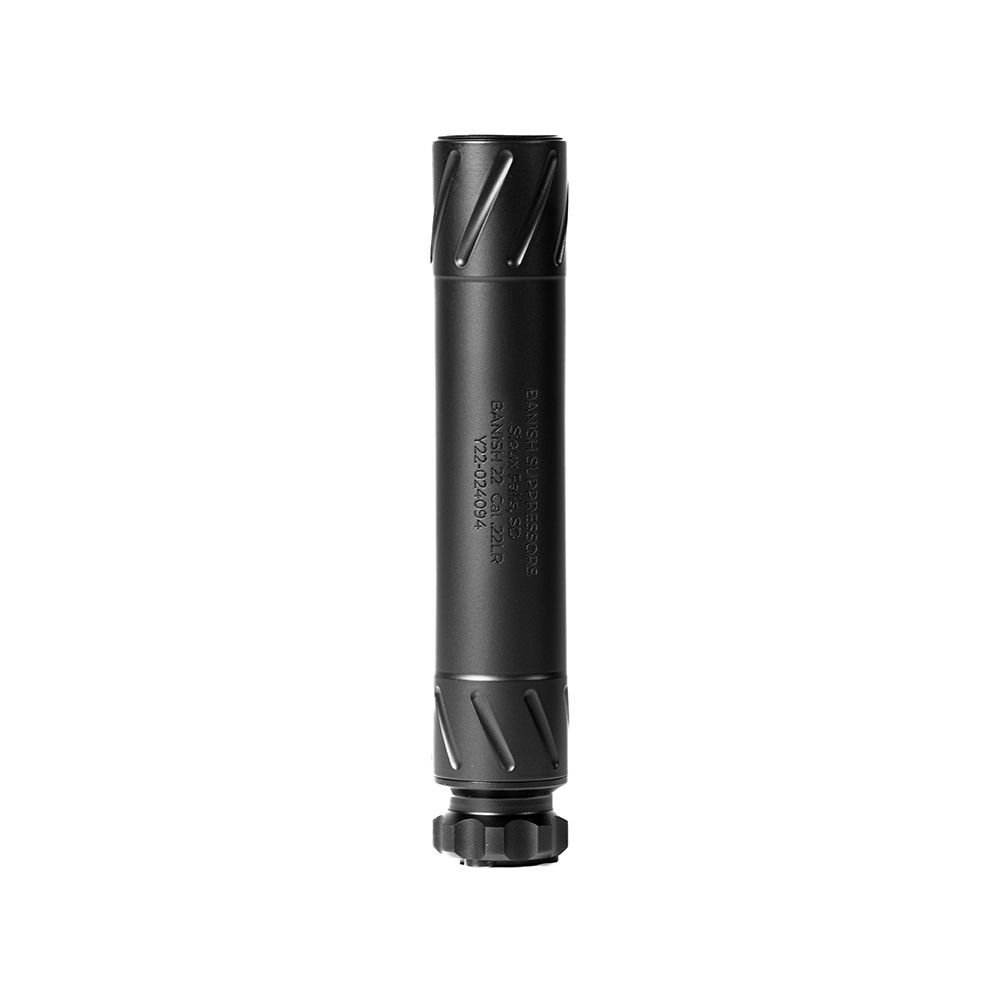
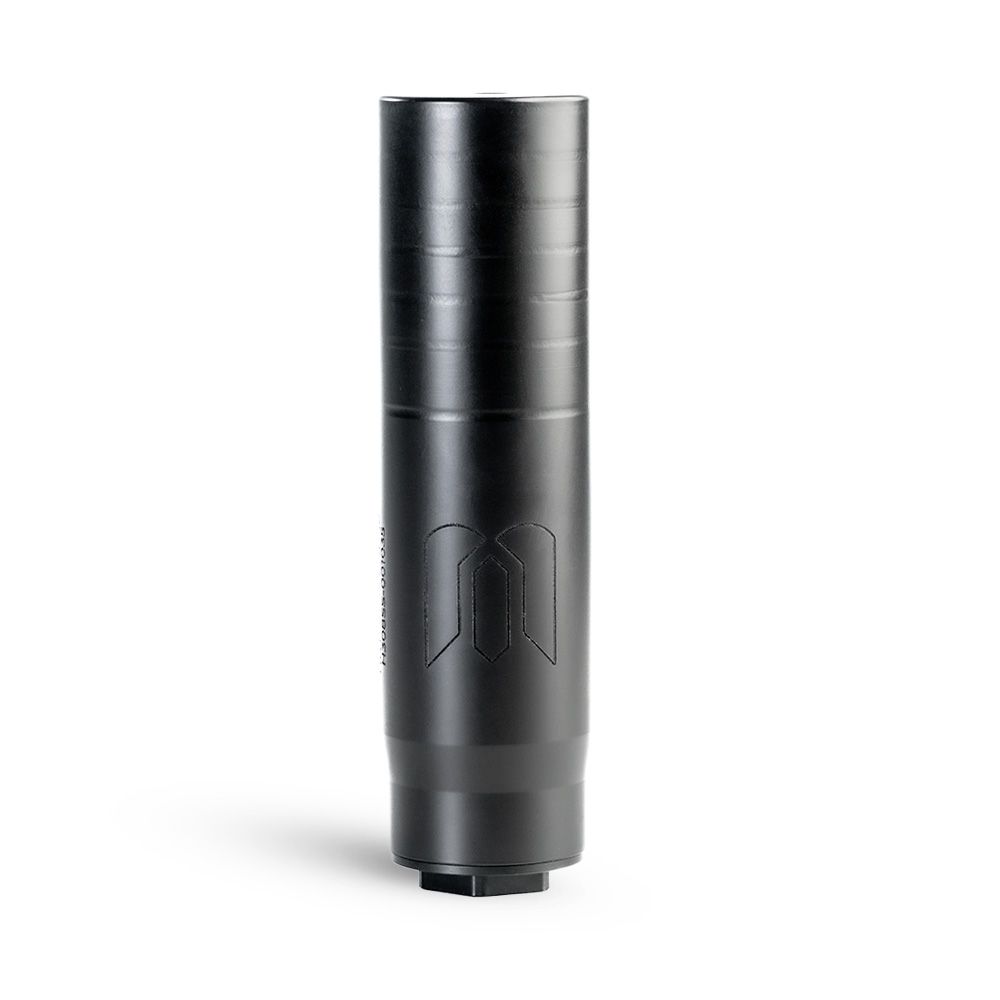
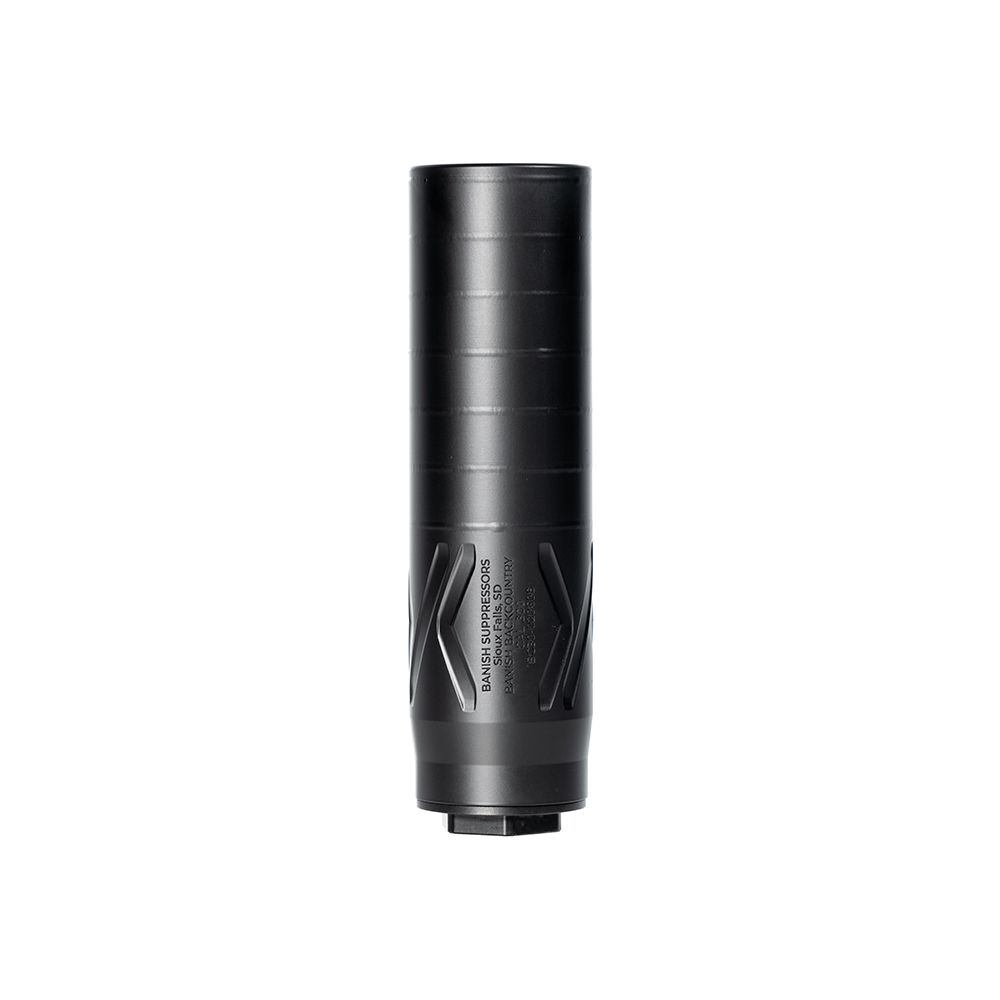
If you own a high recoil firearm, don’t throw or hide it away. Several solutions are available for minimizing your firearm’s recoil, but your best option is to use a suppressor. Suppressors (or silencers) are attachments that go on your gun’s muzzle.
The attachment reduces recoil by slowing the exit of propellant gases from the muzzle. Reducing the force with which expanding propellant gases explode out of the muzzle leads to less kickback and smoother shooting. Besides reducing recoil, slowing the release of propellant gases muffles gunfire noise, leading to quieter shooting.
Don’t Let Recoil Hold You Back – Start Shooting Suppressed Today!
If your favorite gun has intense recoil, reduce discomfort when next you shoot by attaching a suppressor to your firearm. Besides minimizing recoil, suppressors muffle gunfire noise to protect your hearing. They also hide muzzle flash to protect your eyes against glare when shooting in low light conditions.
Visit Silencer Central today to browse our pistol, shotgun, and rifle suppressors and order the perfect one for your firearm.
While many suppressors can be used on several different caliber firearms, we have some specific models that can make your shooting more enjoyable. Pick the caliber that you have in mind. If you don’t see your caliber, pick one close to it to see our recommendations.